- VIAC
-
ARBITRATION
- Arbitrate at VIAC
- VIAC eCase
- Combination of Arbitration and Mediation
- International Arbitration
- Resources
- NEWS & EVENTS
- Contact
-




On 29 May 2026, the Vietnam International Arbitration Centre (VIAC), in collaboration with the Vietnam Lawyers Association (VLA) and the Vietnam Business Lawyers Club (VBLC), organized the “Launch of the VIAC FinTech & Digital Economy Dispute Specialists Panel and the Viet Nam International Financial Center (VIFC) Symposium 2026” in Ho Chi Minh City, attracted nearly 300 participants.
.jpg)
On 29 May 2026, the Vietnam International Arbitration Centre (VIAC), in collaboration with the Vietnam Lawyers Association (VLA) and the Vietnam Business Lawyers Club (VBLC), organized the “Launch of the VIAC FinTech & Digital Economy Dispute Specialists Panel and the Viet Nam International Financial Center (VIFC) Symposium 2026” in Ho Chi Minh City. As the closing event of Vietnam ADR Week 2026 (VAW 2026), the programe attracted nearly 300 participants, including representatives of government authorities, investors, businesses and legal practitioners.
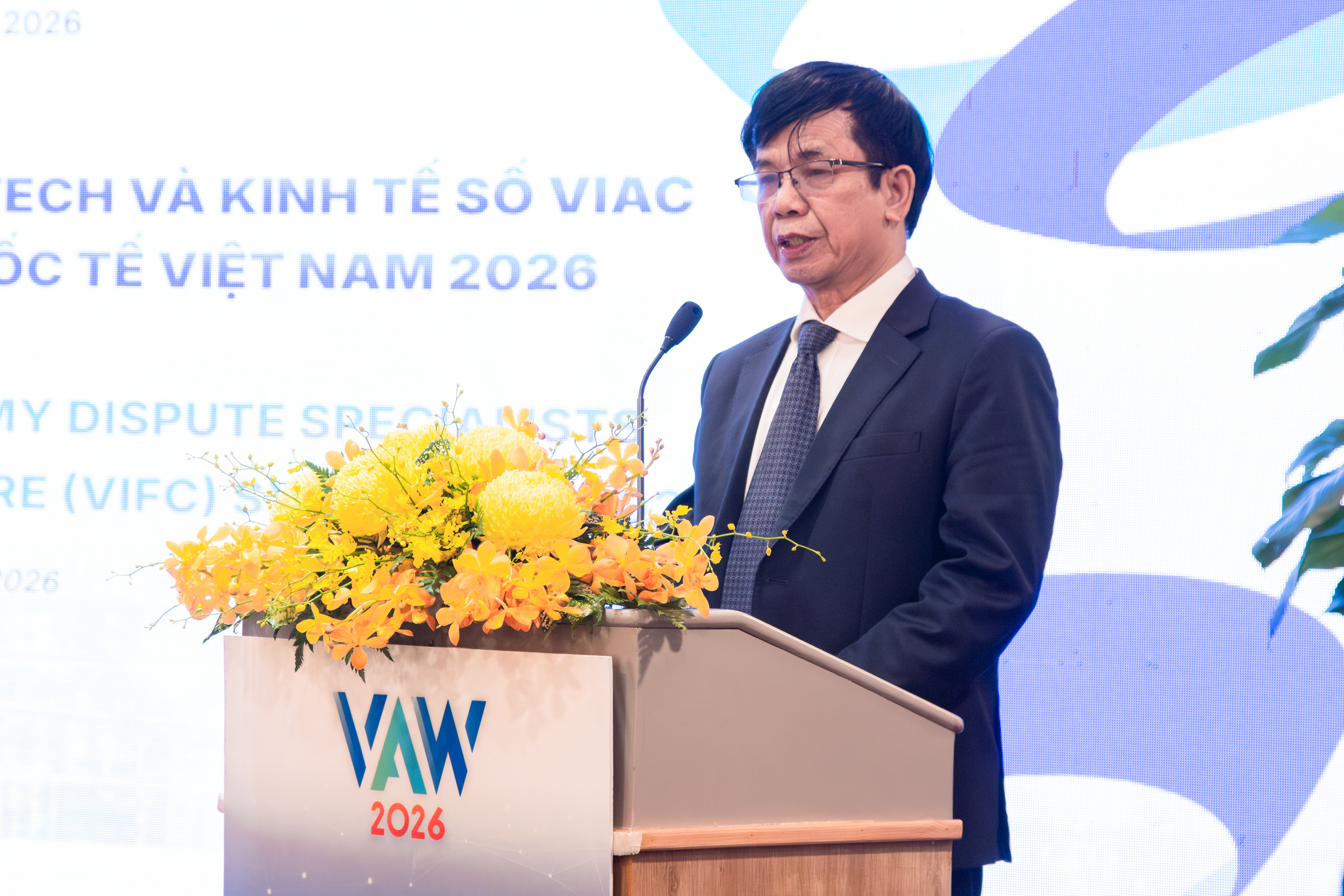
Prof. Dr. Le Hong Hanh – President of VIAC
In the opening remarks, Prof. Dr. Le Hong Hanh – President of VIAC observed that the rapid development of digital finance, FinTech and cross-border transactions has led to increasingly sophisticated financial disputes requiring highly specialized dispute resolution mechanisms. He stated that the establishment of the Viet Nam International Financial Center (VIFC) requires not only advanced financial and technological infrastructure but also a modern, transparent legal framework and dispute resolution system aligned with international best practices.
Besides, Prof. Hanh further noted that, amid intensifying global competition, a commitment to an efficient, highly predictable, and investor-friendly dispute resolution mechanism will be a key factor in enhancing the competitiveness of international financial centres.
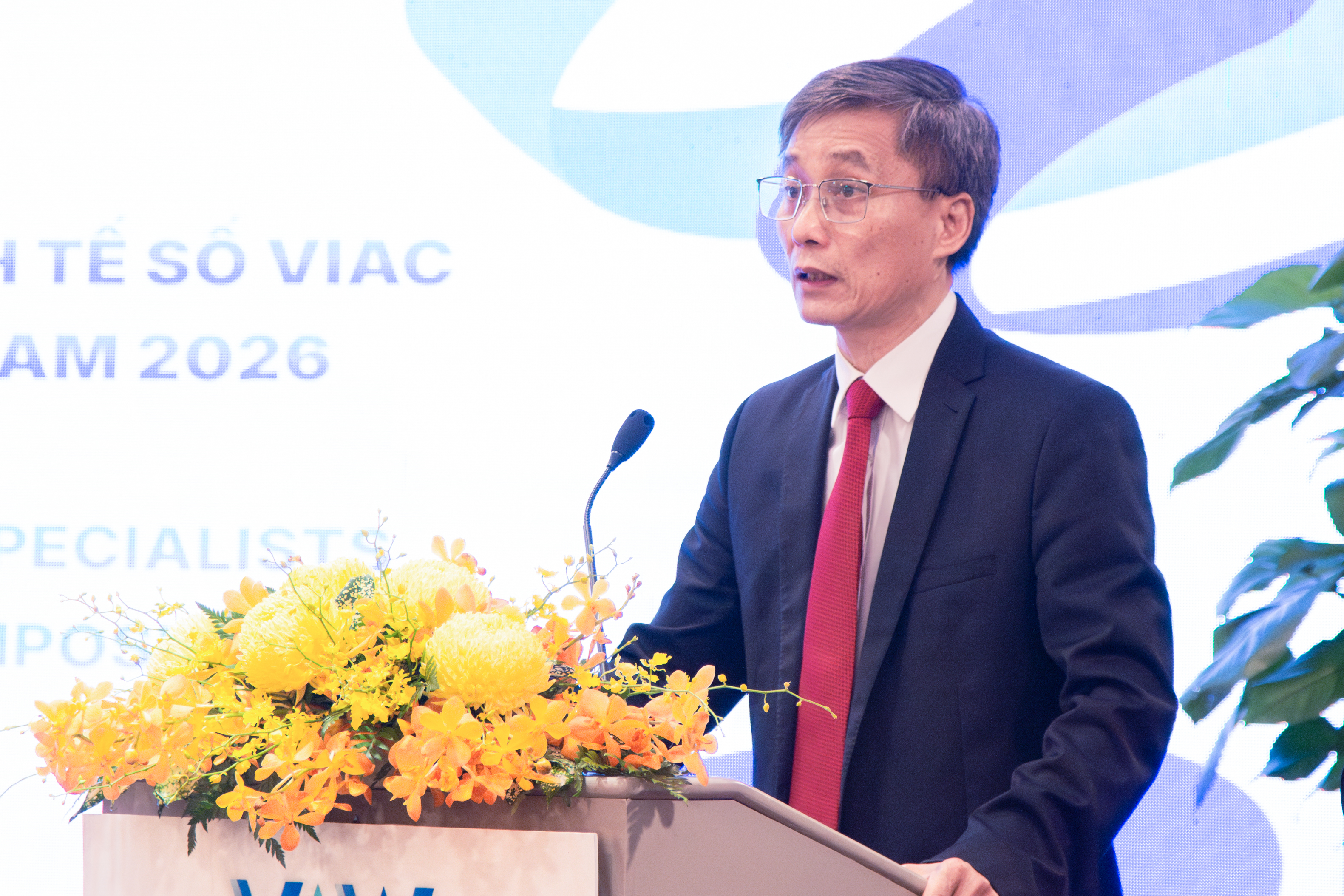
Mr. Nguyen Khanh Ngoc – President of the Vietnam Lawyers Association
Sharing this perspective, Mr. Nguyen Khanh Ngoc – President of the Vietnam Lawyers Association, emphasized that, alongside the establishment of the VIFC, developing a transparent legal framework and an effective dispute resolution mechanism is essential to strengthening investor confidence and ensuring the sustainable development of the investment and business environment. He observed that the emergence of digital finance, digital assets, and cross-border transactions has given rise to new categories of disputes with increasingly complex structures. Against this backdrop, arbitration and other alternative dispute resolution (ADR) mechanisms are considered to offer significant advantages due to their flexibility, confidentiality, specialized expertise, and suitability for the specific nature of modern financial transactions.
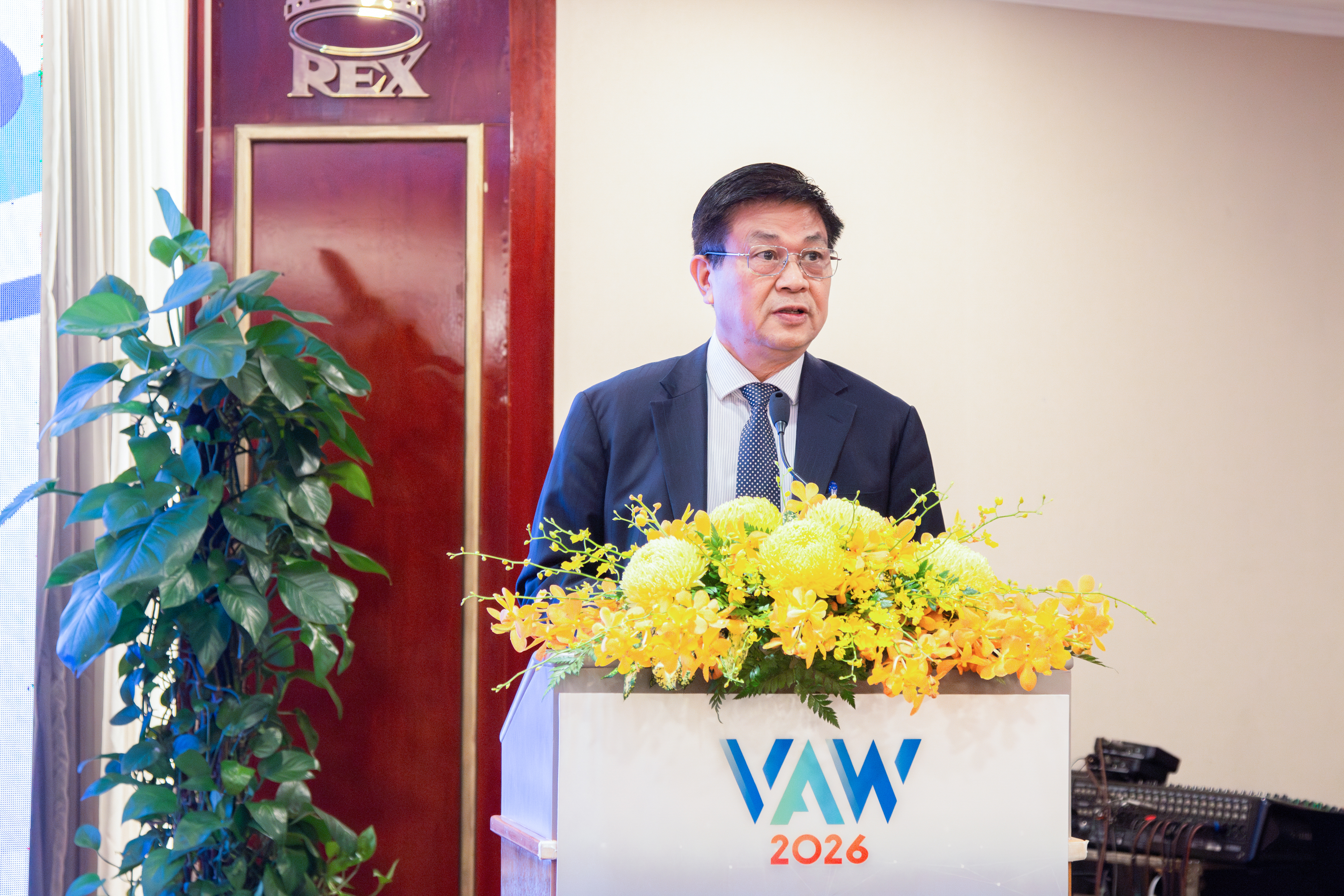
Dr. Do Ngoc Thinh – President of the Vietnam Bar Federation
Dr. Do Ngoc Thinh – President of the Vietnam Bar Federation noted that the rapid development of FinTech, digital assets, and new transaction models has given rise to an increasing number of complex, cross-border disputes, which demands more flexible and specialized dispute resolution mechanisms. In his view, the establishment of the VIFC requires not only financial and technological infrastructure, but also a sound legal framework and dispute resolution mechanisms that are effective, transparent, and aligned with international standards to strengthen investor confidence. He also expressed his expectation that the VIAC FinTech & Digital Economy Dispute Specialists Panel and the VIFC Symposium 2026 would contribute to enhancing the institutional capacity and dispute resolution ecosystem for Vietnam's digital financial market.
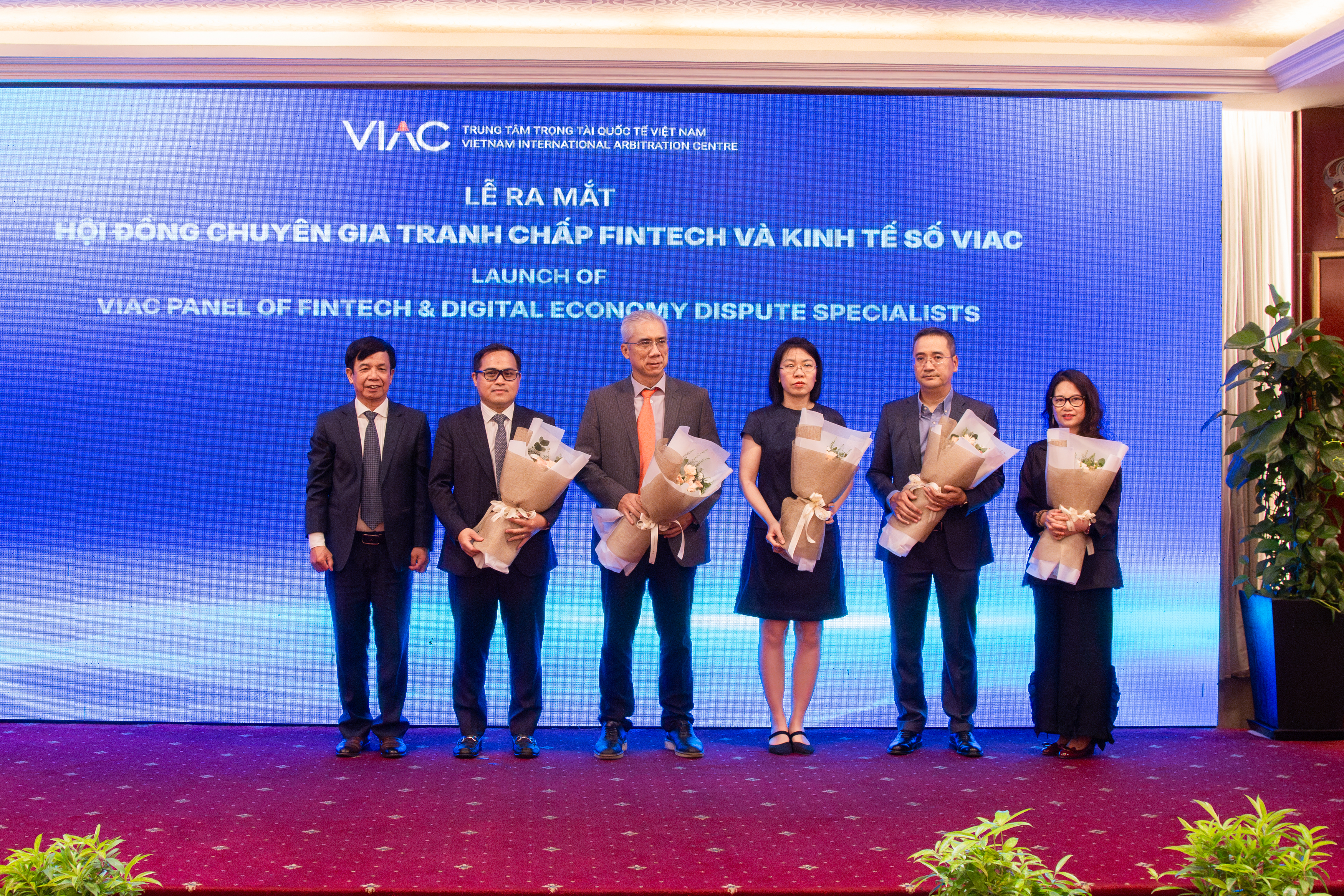
Members of VIAC Panel of FinTech & Digital Economy Dispute Specialists
At the event, VIAC also officially launched the VIAC Panel of FinTech & Digital Economy Dispute Specialists, marking a proactive step to prepare specialized resources for emerging dispute categories linked to finance, technology and the digital economy. The Panel is expected to assist VIAC in developing highly specialized dispute resolution mechanisms tailored to the specific nature of modern financial transactions and market evolution trends in the new era.
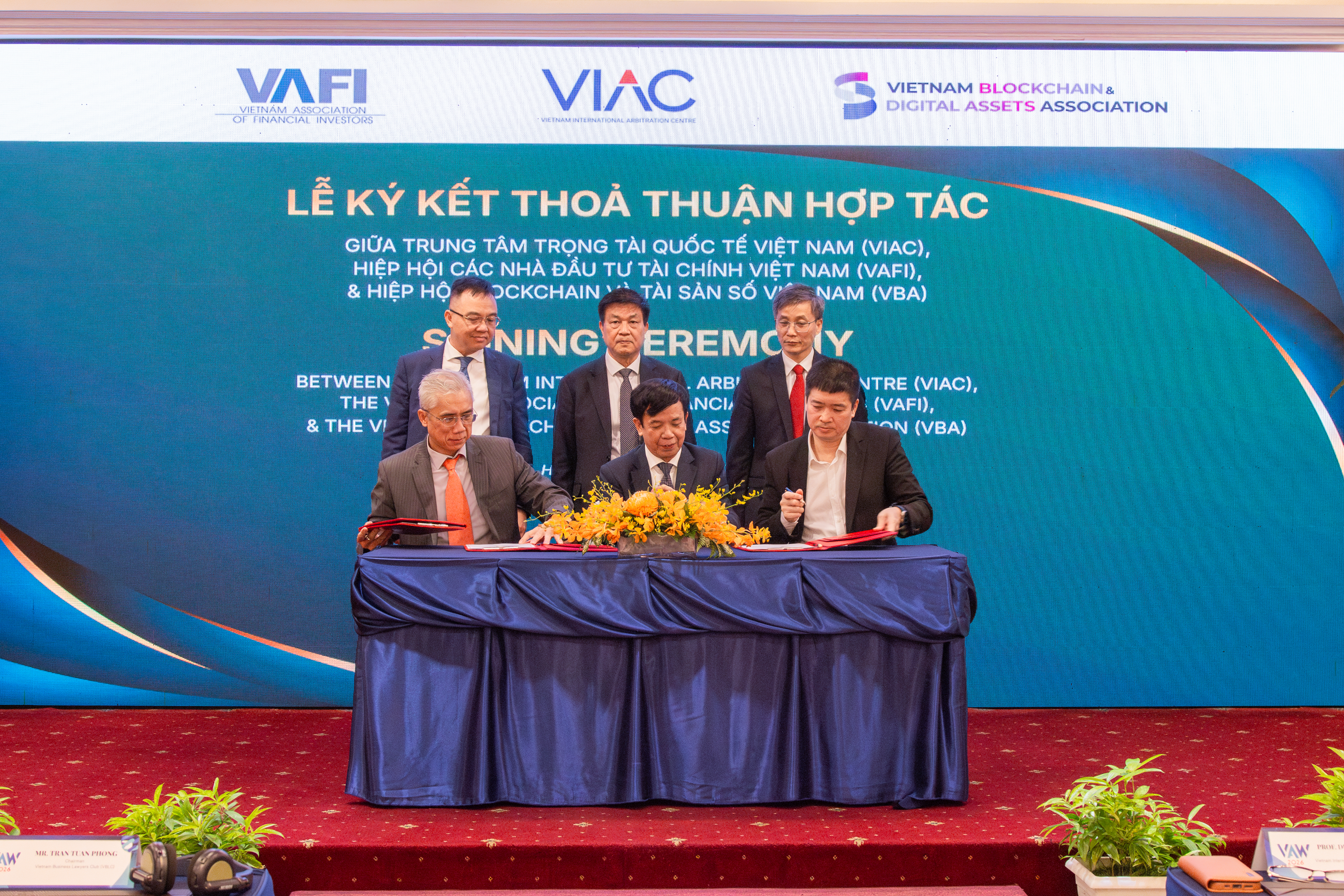
Signing Ceremony of the Memorandum of Understanding (MOUs) between VIAC, the Vietnam Association of Financial Investors (VAFI) and the Vietnam Blockchain Association (VBA)
Within the framework of the event, VIAC signed a Memorandum of Understanding (MOU) with the Vietnam Association of Financial Investors (VAFI) and the Vietnam Blockchain Association (VBA) to strengthen cooperation in the resolution of disputes relating to finance, FinTech, and digital assets. This cooperation is regarded as a significant milestone, paving the way for closer collaboration between VIAC and entities within the finance and technology ecosystem, amid the rapid development of the market and the continuous emergence of new transaction models.
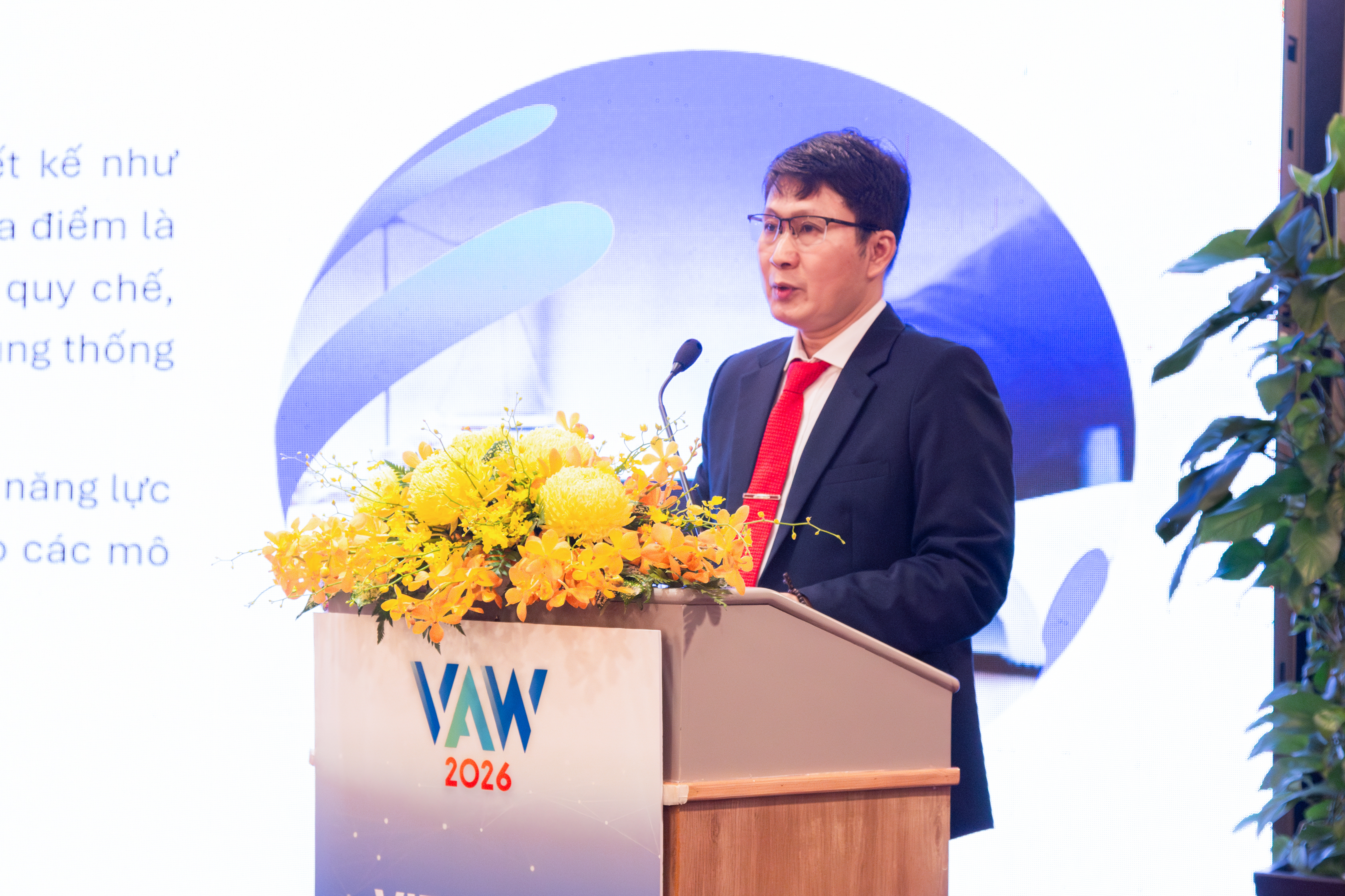
Mr. Hoang Huy Truong – Head of Legal Affairs of the Executive Agency for the Viet Nam International Financial Center in Ho Chi Minh City (VIFC-HCMC)
In the first keynote presentation “Strategic Vision for VIFC and Dispute Resolution Infrastructure”, Mr. Hoang Huy Truong – Head of Legal Affairs of the Executive Agency for the Viet Nam International Financial Center in Ho Chi Minh City (VIFC-HCMC), shared that the VIFC aims to become a gateway connecting international capital flows with Vietnam through four strategic pillars: (i) the international capital market, (ii) trade finance, (iii) digital banking – fintech, and (iv) green finance together with niche financial products. In line with this vision, dispute resolution infrastructure is regarded as one of the essential elements of the centre. Specifically, institutions such as the specialized court, the international arbitration centre at the VIFC, and other arbitration centres (including both domestic and foreign arbitral institutions) may all be utilized to resolve disputes. The diversity and specialization of this dispute resolution ecosystem will serve as a cornerstone for enhancing the VIFC’s competitiveness and attracting international investors.
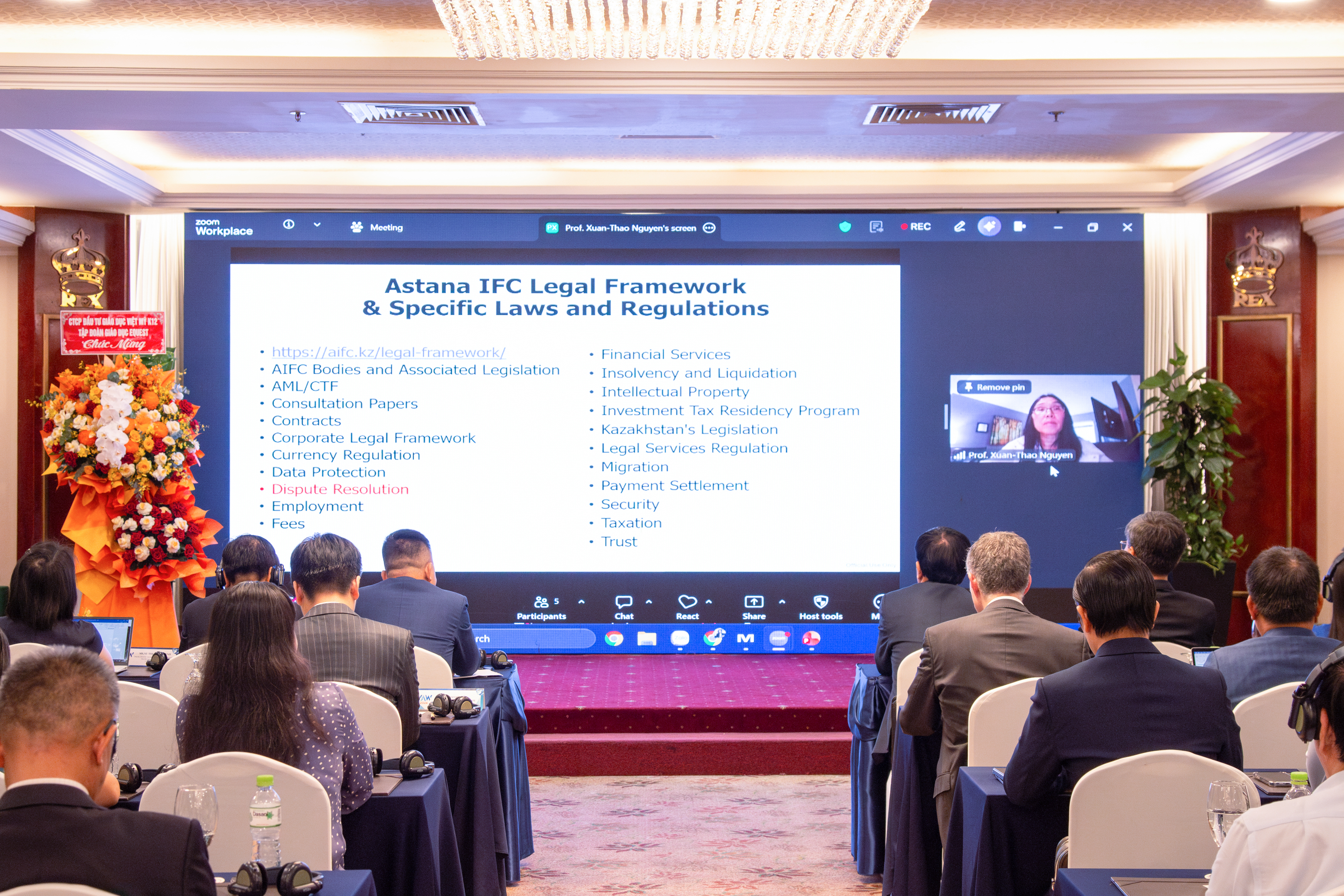
Prof. Xuan Thao Nguyen – Pendleton Miller Chair in Law & Director, Asian Law Center, School of Law, University of Washington, USA; IFC Consultant (World Bank Group)
Delivering the second keynote presentation on the theme “Identifying Disputes in International Financial Centres: International Experience and Practices”, Prof. Xuan Thao Nguyen – Pendleton Miller Chair in Law & Director, Asian Law Center, School of Law, University of Washington, USA; IFC Consultant (World Bank Group) observed that alongside the evolution of international financial centres, financial disputes have become increasingly cross-border and multi-layered, involving diverse stakeholders and legal systems. In her view, international experience demonstrates that for a financial centre to achieve sustainable development, it must concurrently build an effective, specialized dispute resolution mechanism capable of fostering confidence among international investors.
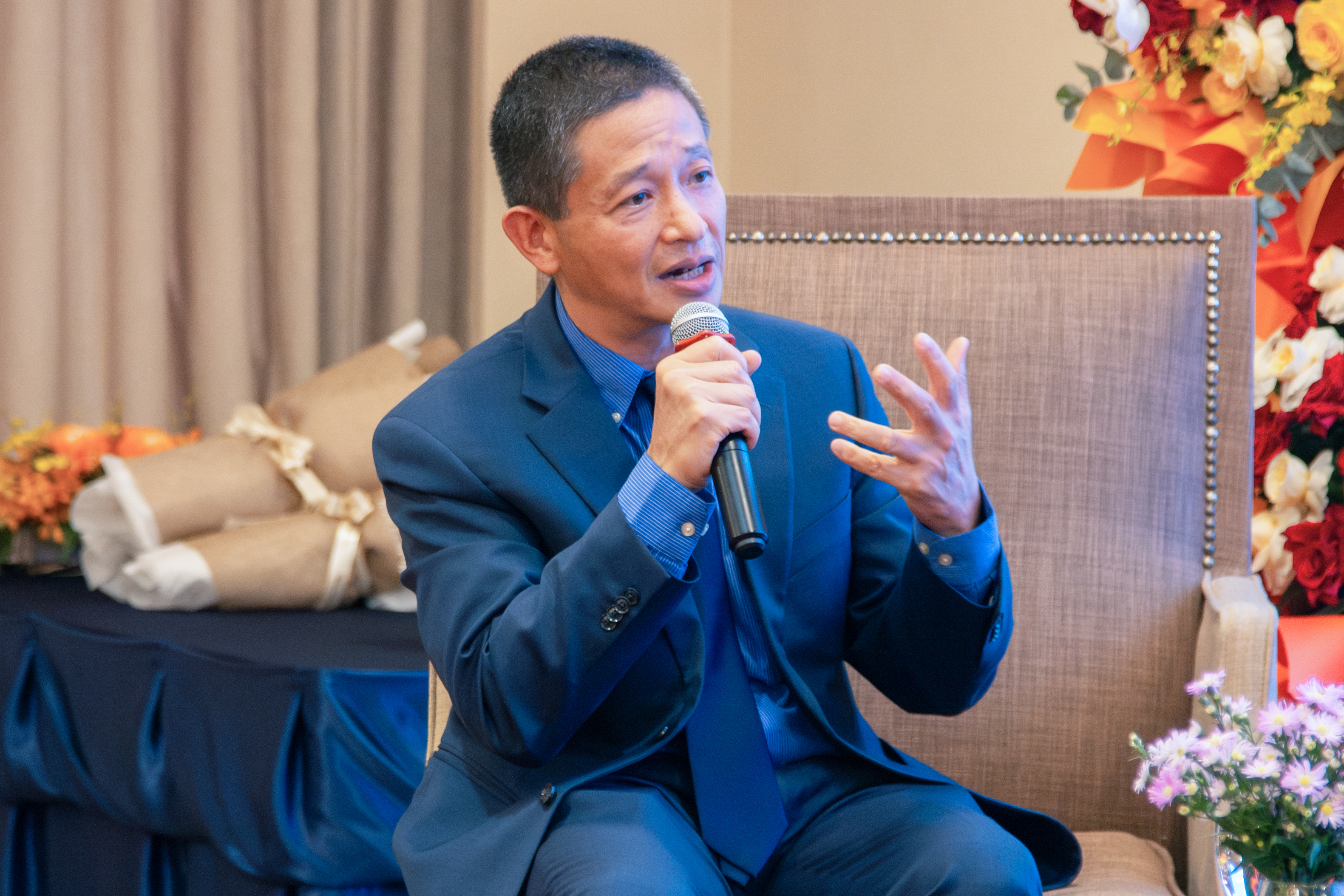
Mr. Tran Anh Duc – Senior Partner at A&O Shearman featured a distinguished panel of experts
Panel Discussion I, entitled “Positioning the Viet Nam International Financial Center (VIFC) as a Regional Capital Gateway with Effective Financial Dispute Resolution Mechanisms” was moderated by Mr. Tran Anh Duc – Senior Partner at A&O Shearman, featured a distinguished panel of experts, including Mr. Truong Nhat Quang – Managing Partner of YKVN, VIAC’s listed Arbitrator; Mr. Lars Markert – Partner at Nishimura & Asahi; Ms. Vu Thi Hang – Chief of the Secretariat, Member of Scientific Council of VIAC; Mr. Phung Anh Tuan – Vice Chairman and Secretary General of the Vietnam Association of Financial Investors (VAFI), VIAC’s listed Arbitrator and VMC’s listed Mediator; Ms. Ho Ngoc Lam – Head of Legal at Vingroup; and Mr. Khoi Nguyen – Co-founder and CEO of Koru Capital.
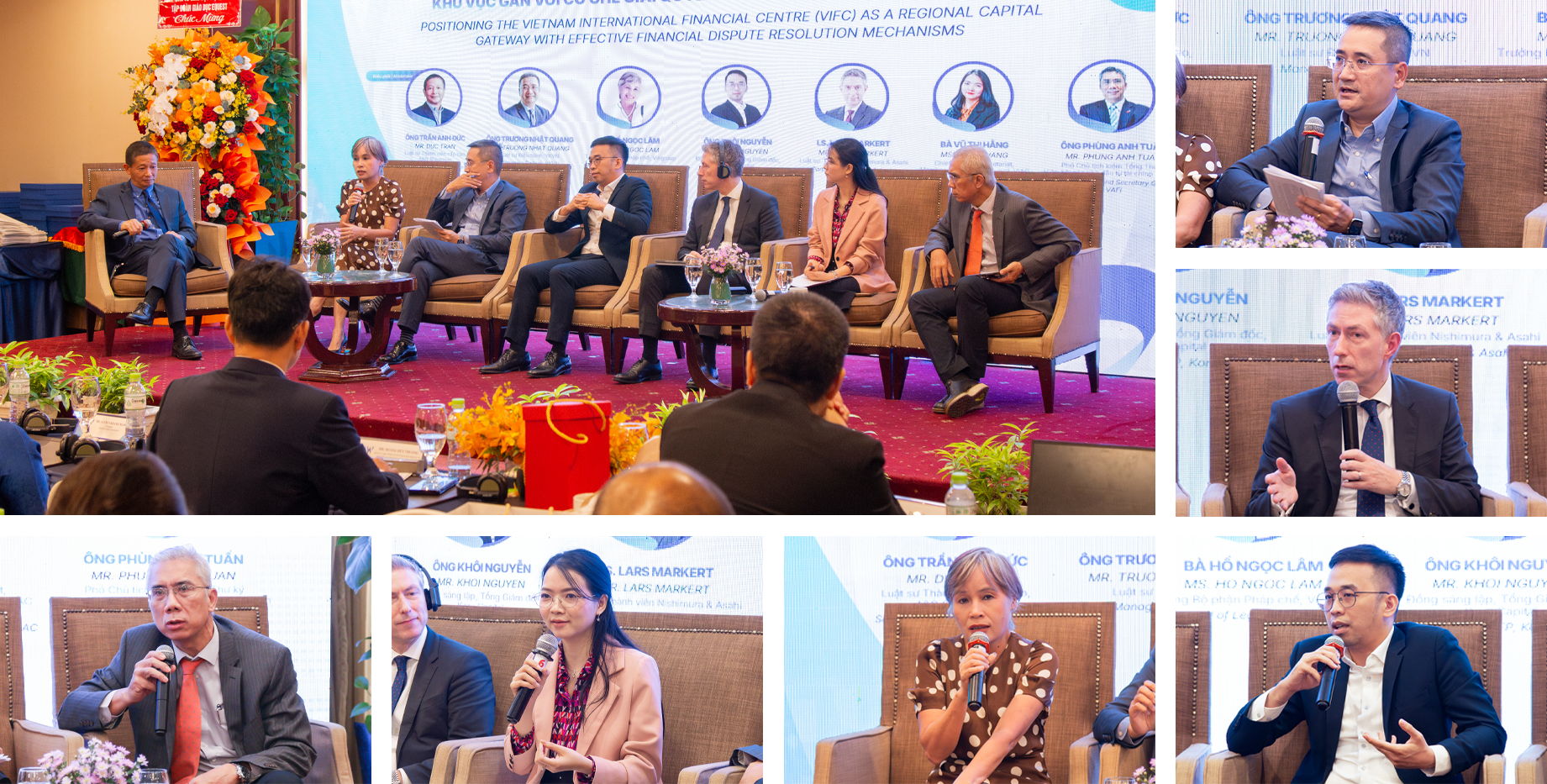
Panel Discussion I, “Positioning the Viet Nam International Financial Center (VIFC) as a Regional Capital Gateway with Effective Financial Dispute Resolution Mechanisms”
Currently, the establishment of the Vietnam International Financial Centre (VIFC) can be regarded as a breakthrough step in Vietnam’s financial integration process, with a regulatory framework expected to create a more flexible environment for investment, capital mobilization, and the piloting of new business models. Tax incentives, foreign exchange management mechanisms, and the feasibility of implementing a regulatory sandbox are considered key factors capable of enhancing Vietnam’s attractiveness to international investors.
While acknowledging the positive signals arising from the new policy framework, the experts noted that international investors remain in an observation phase. Compared with established financial centres such as Singapore, Dubai, and Hong Kong, the VIFC is still at an early stage of development and is in the process of building a comprehensive investment-support ecosystem. In addition to incentive policies, investors are also concerned with the availability of financial, legal, and asset management services, as well as credit rating services, education, healthcare, and other amenities that support the international professional community.
Another topic discussed was the role of the VIFC in effectively connecting capital flows with the development needs of the economy. The experts noted that, in addition to attracting and mobilizing financial resources, establishing mechanisms that facilitate the efficient allocation of capital to enterprises, projects, and priority sectors will be significant to the development of the financial centre. As the VIFC continues to take shape, strengthening the linkages between financial activities conducted within the centre and the real economy should be regarded as a key strategic direction to maximize the VIFC’s role in promoting economic growth and enhancing Vietnam’s competitiveness.
Beyond economic considerations, the experts emphasized that the ability to protect the legal rights and benefits of investors is a prerequisite for attracting international capital flows. According to the views exchanged during the discussion, the effectiveness and competitiveness of the VIFC will be measured not only by the volume of capital it attracts, but also by its ability to resolve disputes in a timely and transparent manner. However, to establish credibility for new dispute resolution mechanisms, Vietnam will need time to develop a pool of specialized experts, build up a body of case law, and cultivate trust among the international investment community.
Concluding the session, the experts agreed that the development of the VIFC is not solely about attracting international capital flows but also represents an opportunity to strengthen Vietnam’s connectivity with global financial markets. In doing so, Vietnamese enterprises will be better positioned to access international financial resources and expand their cross-border investment and business activities.
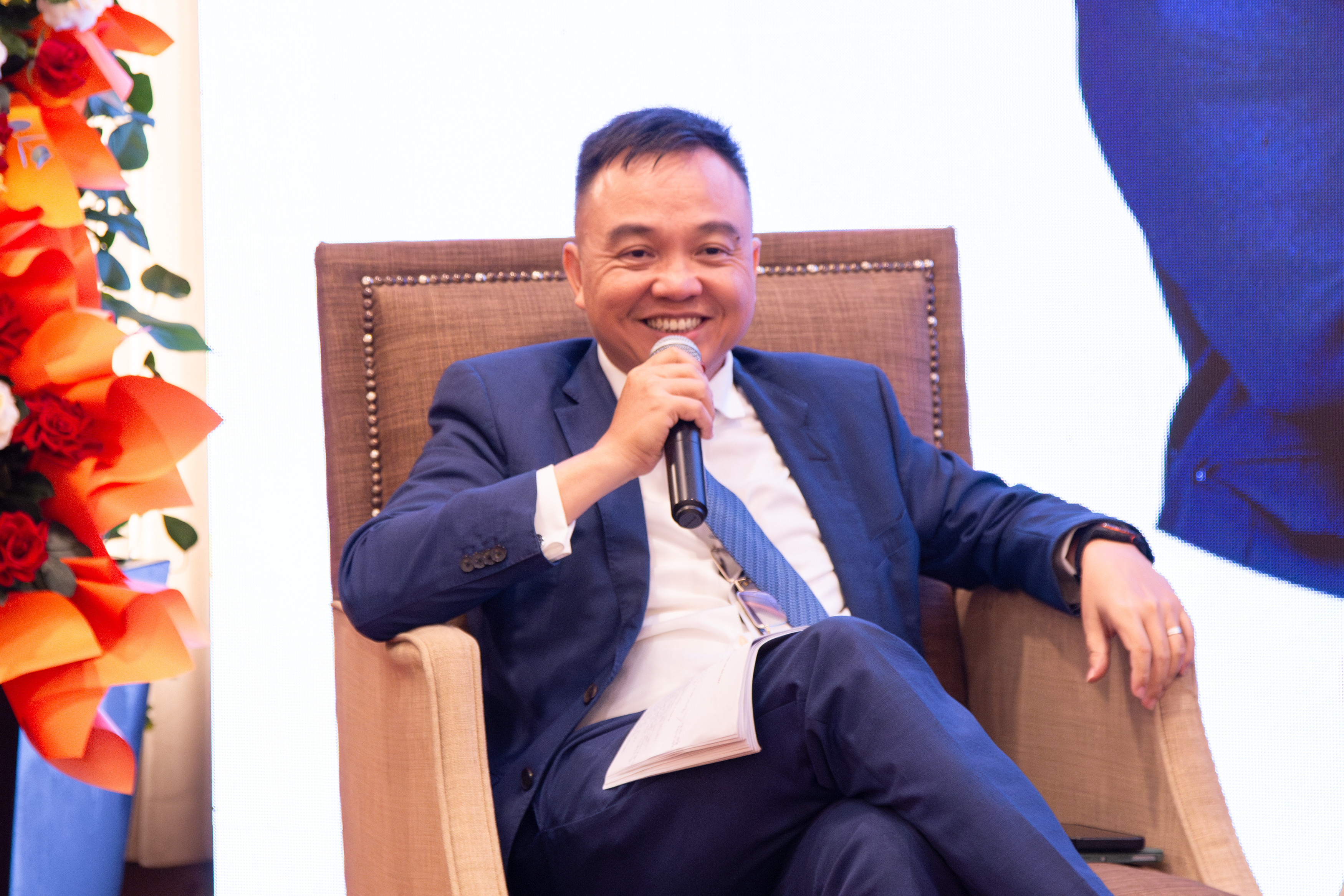
Mr. Tran Tuan Phong – Chairman of the Vietnam Business Lawyers Club (VBLC) featured a distinguished panel of experts
Moving on to Panel Discussion II “Bankability for Green Finance and Infrastructure Projects via VIFC”, the panel was moderated by Mr. Tran Tuan Phong – Chairman of the Vietnam Business Lawyers Club (VBLC), with the panel participation of experts: Mr. Do Ngoc Quynh – Vice Chairman of the Vietnam Bond Market Association (VBMA), Senior Advisor at Synergy Consulting Co. (USA); Mr. Nguyen Quang Thuan – Chairman of the Board of Directors, Chief Executive Officer of Fiinratings; Mr. Vo Hoang Hai – Deputy General Director of Nam A Bank; Ms. Vo Thi Thu Hien – Country Head of Technology & Communications of Citi Commercial Bank Vietnam.
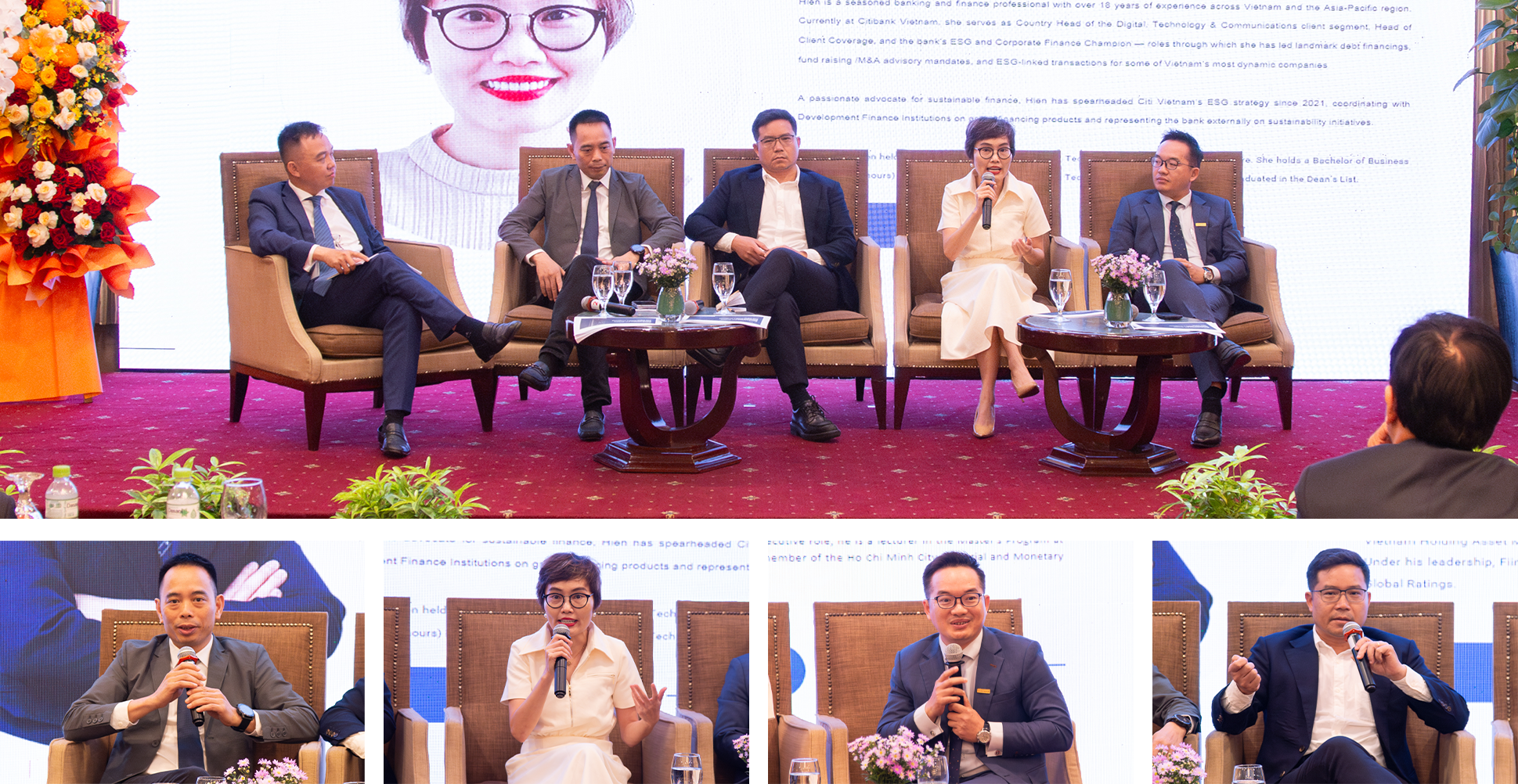
Panel Discussion II, “Bankability for Green Finance and Infrastructure Projects via VIFC”
The Panel Discussion II focused on the ability to mobilize capital for infrastructure and green finance projects – an area assessed to require enormous resources in the coming years. Experts believed that Vietnam is facing an opportunity to attract international capital flows for the energy transition and infrastructure development process, but to achieve that, it is necessary to simultaneously resolve many challenges regarding policy, market, and financial mechanism.
Through the discussion, there are three major risk groups affecting the bankability of renewable energy projects, including (i) the capacity curtailment situation due to the power transmission system, (ii) risks regarding policy, the review process of projects that have entered commercial operation, and (iii) exchange rate risks, the cost of hedging exchange rate fluctuations for long-term international loans. These factors directly affect project cash flow, debt repayment capacity, and the confidence of funding organizations, reducing the attractiveness of energy projects.
Experts emphasized that no preferential mechanism can replace the bankability of a project. Whether implemented inside or outside the VIFC framework, a project can only attract capital when it has a clear cash flow, a transparent pricing mechanism, a stable output, and a sufficiently reliable legal framework. The eligibility for funding depends not only on investors but is also linked to project quality, the level of risk allocation, and the ability to protect the rights of participating parties.
Opinions also stated that Vietnam's green finance market needs to be promoted towards approaching international practices more rapidly. Experts proposed applying or directly referencing international and regional green standard sets in the initial phase, besides the option of waiting for the completion of the entire domestic standard system. At the same time, the standardization of projects that have operated stably, particularly in the renewable energy sector, is considered an important direction to attract international investment funds…
In summary, the international financial center needs to be perceived as a component in Vietnam's long-term development strategy rather than a single project. The success of this model will depend on the ability to clearly define its role within the overall national financial architecture, build products suitable for market demands, create an internationally competitive investment environment, and consolidate the confidence of the business community and investors. In the context of growing capital demands for infrastructure, green transition, and economic development, this model is expected to become one of the important tools helping Vietnam connect more effectively with global capital flows.
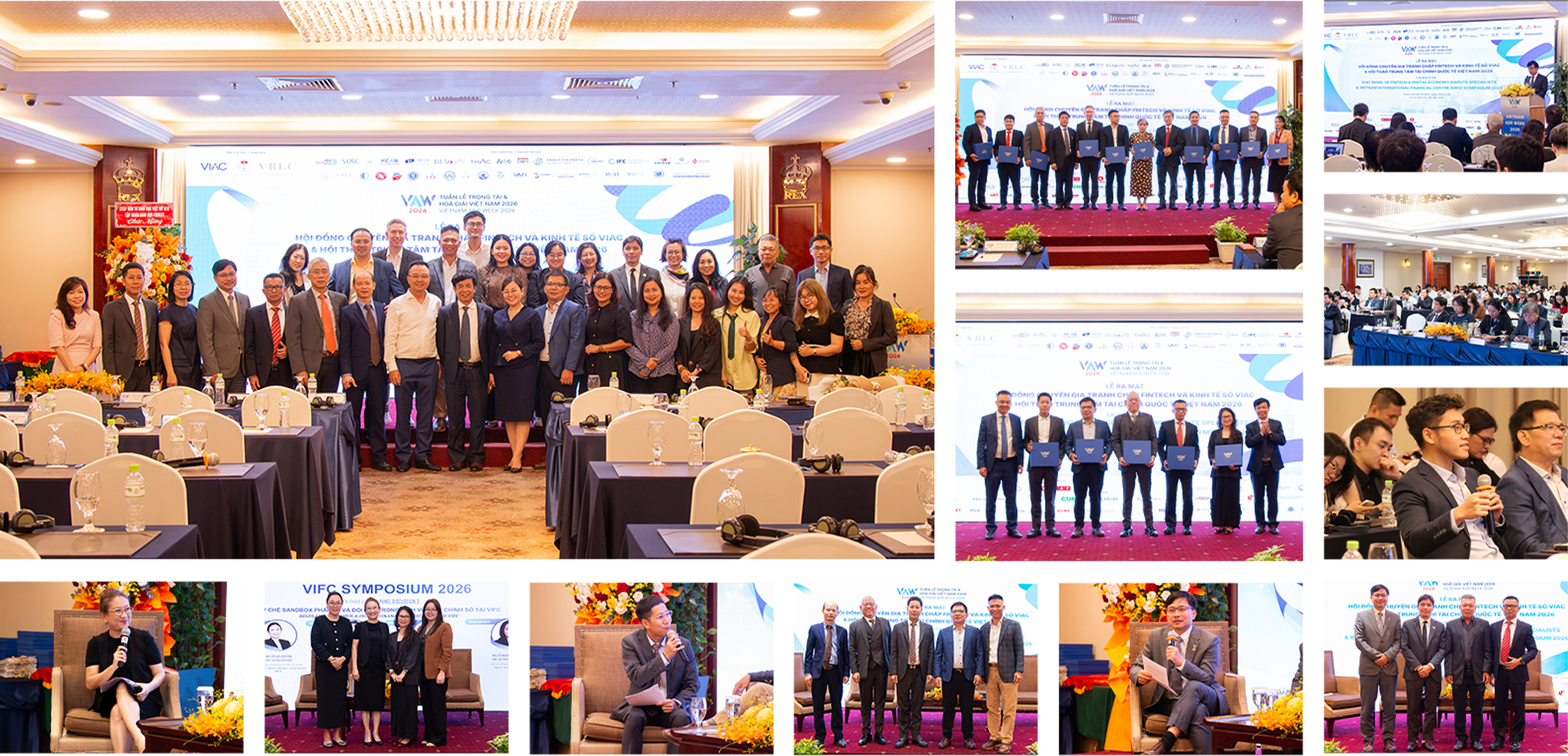
Photos of event
On the afternoon of the same day, the event continued with in-depth panels on the legal sandbox mechanism for the digital finance sector, the role of specialized courts in VIFC, judicial assistance and cross-border enforcement, as well as an integrated dispute resolution model between arbitration and specialized courts. Experts commented that, in the context of continuously innovating financial and technological models, Vietnam needs to continue perfecting the legal mechanism and dispute resolution infrastructure towards a flexible, modern direction that approaches international practices to meet the development requirements of the financial market in the future.
Following the experts' discussion, the discussion panel also received interaction and contributions from the attending delegates. The obstacles and expectations raised at the event are not only the basis for perfecting the legal framework governing the operations of the Vietnam International Financial Center, but also the ground to further perfect the ADR dispute resolution mechanism in the financial field.
📃Event photos: See more HERE


![[Recap LMS 2026] Business Legal Lens (BLL) #02: “Force majeure: The gap between business understanding and legal approach”](/images/News-and-Events/2026/News/LMS 2026/BLL02/IMG_0136.jpg)
![[Recap LMS 2026] VIAC & ITPC co-organized the Business Legal Lens (BLL) #01: “Conditions precedent in loan agreements: Understanding correctly to prevent risks”](/images/News-and-Events/2026/News/LMS 2026/BLL 01/IMG_8873.jpg)
![[Recap LMS 2026] Talkshow “Exemption from liability for technology-related risks in logistics transactions”](/images/News-and-Events/2026/News/LMS 2026/Logistics/LMS2026_2708---Slideshow-1.jpg)
![[Recap LMS 2026] Talkshow “Commercial contracts with counterpart clauses – Streamlining contract formation or increasing legal risks?"”](/images/News-and-Events/2026/News/LMS 2026/Thuong mai/LMS2026_2008_Speakers.png)
![[Recap LMS 2026] Talkshow “Arbitral jurisdiction in resolving disputes arising from digital financial transactions"](/images/News-and-Events/2026/News/LMS 2026/Tai chinh/LMS2026_260813__Backdrop.png)



.png "Trường đại học ngoại thương")